
Make the most of your Organic Waste by turning it into clean energy and renewable fuel for a more self-reliant energy future.
Organic waste can be easily broken down into fine fragments to generate biogas. Organic waste refers to all biodegradable waste. The organic waste used to produce biogas comes from food processing units, dairy products, garden waste, institutional waste, municipal waste, industrial waste, and medicinal waste.
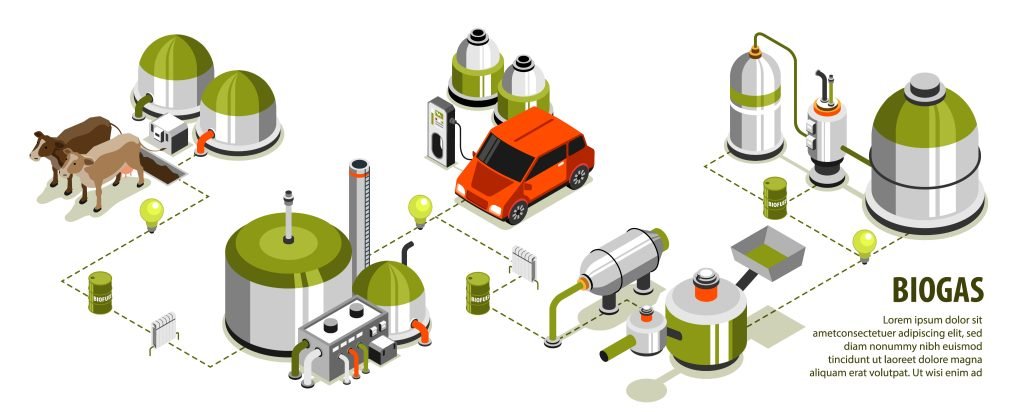
The biogas plant converts biodegradable waste from various sources into biogas. The anaerobic digestion process is used to generate biogas, in which organic waste is kept in a large, airtight container, known as a digester, for 45 days to produce biogas (90% methane).
It enhances the productivity of renewable energy generation, which is further used for cooking and power generation, and reduces GHG emissions.
When we talk about organic waste, there are various types of waste from different sectors that are included in it, which are as follows:
The organic waste collected from restaurants, food processing units, domestic institutes & universities, and canteens can be easily used to produce biogas through anaerobic digestion. This helps reduce the amount of waste sent to landfills by converting it into bioenergy.
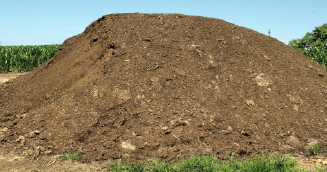
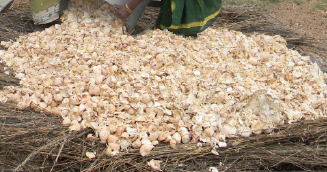
Under this, crop residue, spoiled crops, vegetable waste, and other farm residues are used to produce biogas. Apart from this, the end product, or leftover slurry (known as digestate), is used as manure on farms or sold in the market at standard prices.
After proper segregation and pre-treatment of the municipal solid waste, it is a strong resource for generating biogas. Converting municipal solid waste into biogas removes dependence on landfills, improves waste management, and supports renewable energy production.
The medicinal and herbal industries generate biodegradable waste, including leaves, roots, stems, and other plant-based materials. Anaerobic digestion helps convert suitable medicinal plant residues into biogas while reducing the volume of organic waste requiring disposal.
Many industries generate organic and biodegradable waste that can be used to produce biogas. Waste from food processing, fruits and vegetables, dairy, distilleries, and other organic by-products can serve as valuable feedstock. Converting this waste into biogas promotes sustainable waste management, and reduces dependence on conventional fuels.
The organic waste produces enough biogas to generate electricity. The power generation is utilised for lighting and powering the electronic equipment.
The biogas is utlised in commercial kitchens, institutes & college canteens, restaurants, etc., where organic waste is generated regularly.
After producing biogas, the excess is further processed until only 90% methane remains. It is known as compressed biogas, the best alternative to CNG and natural gas.
A dairy biogas plant helps manage cow dung. This can reduce methane released from improper dairy waste management. It can also reduce the use of fossil fuels. Therefore, the plant can help lower greenhouse gas emissions. It also supports cleaner farming.
Biogas provides thermal energy for boilers, furnaces, and other heating applications in food processing industries.

The biogas plant converts organic waste into biogas, a useful form of bioenergy, while reducing the need for conventional waste disposal and transportation.
Through the biogas plant, regular processing of organic waste helps reduce the accumulation of untreated food waste, foul odours, flies, and other hygiene problems.
The bio-slurry produced after digestion contains valuable organic nutrients and can be utilised as an organic fertiliser for agriculture or for sale.
Businesses find profit in lower waste disposal costs, reduced energy bills, and better environmental compliance.
Food Waste
We serve hotels & restaurants, cafeterias, canteens, food courts, supermarkets, catering businesses, and food processing units generating large quantities of biodegradable waste. Our biogas solutions help convert leftover food, vegetable waste, fruit waste, and other organic materials into renewable biogas. This approach reduces waste-disposal challenges, supports cleaner operations, and generates useful energy and fuel. Businesses can improve waste management while making better use of their organic waste and supporting long-term sustainability goals.
Agriculture Waste
We provide biogas solutions for farms, agricultural businesses, agro-processing units, and other organisations generating biodegradable agricultural waste. Crop residues, spoiled fruits and vegetables, plant residues, and other suitable organic materials can be processed through anaerobic digestion. The generated biogas can be used for power, heating, or renewable fuel applications. This helps businesses manage agricultural waste efficiently, reduce disposal needs, recover valuable resources, and support a more sustainable, circular approach to waste management.
Municipal Solid Waste
We support municipalities, urban local bodies, waste management companies, and municipal facilities in managing the biodegradable fraction of municipal solid waste. Organic materials such as food waste, market waste, vegetable waste, and other segregated biodegradable materials can be processed in suitable biogas systems. Converting organic waste into renewable energy helps reduce reliance on landfills, improve waste management efficiency, recover valuable resources, and create cleaner energy solutions for communities, while supporting sustainable municipal waste management practices.
Medicinal Plant Waste
We serve herbal product manufacturers, Ayurvedic companies, medicinal plant processors, botanical industries, and businesses generating plant-based organic residues. Suitable waste, such as leaves, stems, roots, seeds, and other biodegradable medicinal plant materials, can be processed by anaerobic digestion. Our biogas solutions help reduce the need for organic waste disposal while recovering renewable energy from these materials. This supports cleaner production practices, better resource utilisation, and sustainable waste management across medicinal and herbal processing operations.
Industrial Waste
We serve industries that generate significant quantities of biodegradable organic waste, including food processing, dairy, brewery, distillery, and agro-processing businesses. Suitable industrial organic residues can be treated through anaerobic digestion to generate biogas and nutrient-rich digestate. The produced biogas can support power generation, heating, or renewable fuel applications. This helps industries reduce waste management challenges, lower dependence on conventional energy sources, recover valuable resources, and improve their overall sustainability and operational efficiency.
Many types of organic waste can make biogas. For example, these include food waste, farm waste, fruit waste, vegetable waste, dairy waste, plant waste, and some factory waste. In addition, farms and businesses can use other suitable waste. However, the waste must be safe and suitable for the biogas plant. First, workers check the waste before use. Next, they remove plastic, metal, glass, and other unwanted items. Then, they prepare the waste for the digestion process. As a result, the plant can use the waste more safely and effectively.
First, workers collect the waste. Next, they remove plastic, glass, metal, and other unwanted items. Then, they mix the right waste with water. This makes a slurry. After that, the slurry goes into a closed tank called a digester. Inside the tank, tiny organisms break down the waste without air. During this process, the plant makes biogas and digestate. At the same time, the waste changes into useful products. Finally, the biogas can be used for cooking, heating, or making power. Therefore, the plant turns organic waste into useful energy.
Biogas has many uses. First, businesses can use it for cooking. Next, they can use it for heating water and making steam. In addition, biogas can help run boilers and other heating systems. Moreover, businesses can use it to make electricity. At the same time, they can reduce their use of regular fuels. After that, businesses can clean and upgrade the biogas. As a result, they can turn it into CBG. Finally, CBG can work as a clean fuel for suitable uses. Therefore, biogas can support many daily energy needs.
Yes. Food waste can make biogas. For example, hotels, restaurants, kitchens, canteens, supermarkets, and food factories produce this type of waste. First, workers collect the food waste. Next, they check and sort it. Then, they remove plastic, metal, glass, and other unwanted items. After that, suitable leftover food, fruit peels, vegetable waste, and other organic waste can go into a biogas plant. During digestion, tiny organisms break down the waste. As a result, the plant produces biogas and digestate. Therefore, businesses can reduce food waste and make useful energy.
Yes. Many farm wastes can make biogas. For example, these include crop waste, spoiled fruits, spoiled vegetables, plant waste, and other waste that can rot. First, workers check the waste before using it. Next, they remove any unwanted materials. Then, some waste may need cutting or mixing. After that, workers prepare the waste for the digestion process. During digestion, tiny organisms break down the organic material. As a result, the plant produces biogas. In addition, proper preparation helps the plant make gas in a steady way. Therefore, suitable farm waste can become a useful source of energy.
Yes. The part of city waste that can rot can make biogas. For example, food waste, fruit waste, vegetable waste, and market waste can work well. First, workers collect the waste. Next, they sort it carefully. However, they must remove plastic, glass, metal, and other unwanted waste. Then, they prepare the suitable organic waste for digestion. After that, the prepared waste enters the biogas plant. During the process, tiny organisms break down the organic waste. As a result, the plant produces biogas. Therefore, good sorting helps the plant work safely and well.
An organic waste biogas plant offers many benefits. First, it helps businesses manage organic waste. Next, it turns this waste into clean energy. In addition, the plant can reduce the amount of waste sent for disposal. Moreover, it produces digestate after the digestion process. At the same time, businesses can make better use of their organic waste. Furthermore, good-quality digestate can be useful for farming. For example, farmers can use it as organic manure. As a result, the plant helps turn waste into useful products. Therefore, it supports better waste management and cleaner energy use.
Businesses should check a few key things before they install a biogas plant. First, they should check the type of waste. Next, they should check how much waste they produce each day. Then, they should check the water needed for the process. In addition, they should check the land available for the plant. Moreover, they should consider their daily energy needs. At the same time, they should plan how they will use the digestate. After that, the team can study all these needs. As a result, they can choose the right plant size. Finally, a proper study can help estimate how much biogas the plant can make.