We help farms manage animal waste in a simple way. We turn dairy, poultry, piggery, and goat waste into clean biogas and useful bio-slurry.
Animal farms produce waste every day. This waste includes dung, manure, urine, and other organic waste. A commercial biogas plant can turn this waste into useful energy. The plant uses a natural process called anaerobic digestion. Tiny microbes break down the waste inside a closed tank. This process makes biogas and bio-slurry.
Farmers can use biogas for cooking, heating, and power. They can also use the bio-slurry as an organic fertiliser. So, the plant helps farms manage waste and make clean energy.
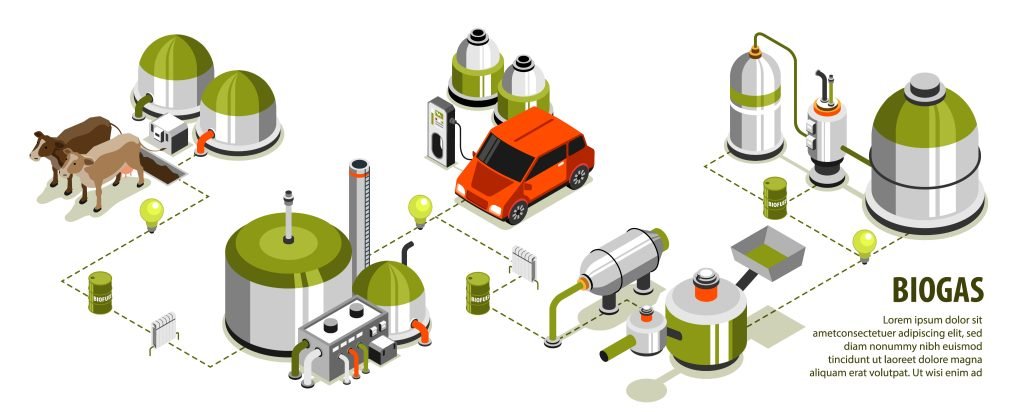
An animal waste biogas plant turns animal waste into clean energy. First, the farm collects the waste. Next, the team removes plastic, stones, and other unwanted items. Then, the team mixes the waste with water to make a slurry. The slurry enters a closed digester. Inside the digester, tiny microbes break down the waste without oxygen. As a result, the process makes biogas. The gas contains methane, which gives it energy value. Farmers can use this gas for cooking, heating, or power.
Different animal farms produce different types of waste. Many of these wastes can make biogas. However, the plant team must check the waste before use.
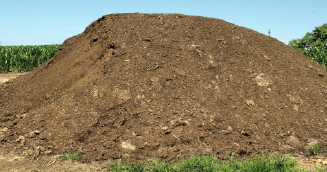
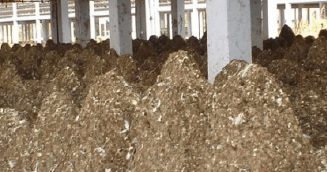
Dairy farms produce cow and buffalo dung every day, which contains organic matter. Tiny microbes can break down this matter inside a biogas plant. Farmers can collect the dung from animal sheds. They can then feed it into the digester. The plant turns the dung into biogas and bio-slurry.
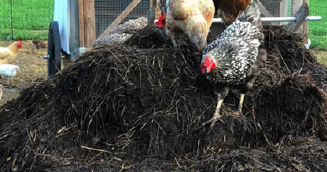
Poultry farms produce chicken droppings and litter, which also contain organic matter. It can help produce biogas after proper mixing and treatment. The plant can process suitable poultry waste. It then produces biogas for energy use. It also produces bio-slurry for farm use.
Pig farms produce pig manure every day. They also produce urine and wash water. Leftover feed can add more organic matter to the waste. Farmers can collect this waste and send it to the biogas plant. The plant breaks down the waste and makes biogas. It also produces useful bio-slurry.
Goat farms produce goat manure and bedding waste. This waste contains organic matter. So, it can work as feed for a biogas plant. Farmers can collect the manure from goat sheds. The plant then breaks down the waste. This process makes biogas and bio-slurry.
Farm workers use water to clean animal sheds. This water can contain manure and other organic matter. Farms can collect this water and use it in the biogas plant. The team can mix the wash water with other animal waste. This helps make a good slurry for the digester.
Farms can generate other organic waste in the course of daily operations. This waste may include bedding and crop waste. Some of this waste can also go into the biogas plant. The team checks each waste type before use. This helps the plant work safely and steadily
Biogas can help farms make electricity. Farmers can use this power for lights, pumps, and farm machines. This can reduce the need for grid power. It also helps farms use their own waste to make energy.
Another application of biogas is that it becomes the best alternative to LPG and gas cylinders.
Biogas can help farms make electricity. Farmers can use this power for lights, pumps, and farm machines. This can reduce the need for grid power. It also helps farms use their own waste to make energy.
Another application of biogas is that it becomes the best alternative to LPG and gas cylinders.
Farmers can use biogas to make heat. Boilers can burn biogas to make hot water or steam. Farms can use this heat for cleaning, washing, and other farm work.
The digester leaves behind a useful material called bio-slurry. It contains organic matter and plant nutrients. Farmers can use bio-slurry as an organic fertiliser. They can use it on farms, gardens, and plants.
A plant can clean and upgrade raw biogas. This process can turn biogas into compressed biogas, or CBG. CBG can work as a clean fuel for suitable vehicles and industrial uses.
Biogas can also provide heat for farm work. Farms can use it in boilers and heating systems. This can help reduce the use of diesel and other fuels

Biogas gives farms their own source of fuel. Farms can use it for cooking, heating, or power.
As a result, they may need less LPG, diesel, or grid power.
Fresh animal waste can create a bad smell. It can also attract flies and other pests.
A biogas plant processes the waste regularly. This helps reduce waste build-up and bad smell around animal sheds.
The plant makes bio-slurry after it digests the waste. This material contains useful nutrients.
Farmers can use it as organic fertiliser. This helps them get more value from animal waste.
A biogas plant provides farms with a better way to manage animal waste. It turns waste into clean energy and useful fertiliser. This helps farms better control their waste.
Animal waste has value when farms use it well. A biogas plant can help farms make energy from this waste. It can also lower some waste and fuel costs. Thus, farms can get more value from their daily waste.
Animal farms produce waste every day. If farms leave this waste in open areas, it can create problems. A biogas plant collects and uses this waste. It turns the waste into energy and bio-slurry.
Koshish designs animal waste biogas plants according to each farm’s specific requirements. We first assess the type, quantity, and quality of available waste. Based on this assessment, we plan the suitable system and capacity. Our team supports plant design, installation, commissioning, and technical assistance to help farms manage waste efficiently and generate useful renewable energy.
An animal waste biogas plant converts biodegradable animal waste into renewable biogas through a natural process called anaerobic digestion. It can use cow dung, buffalo dung, poultry waste, pig manure, goat manure, and other suitable organic materials. During digestion, the plant also produces bio-slurry, which can be further processed and used as organic fertiliser for agricultural applications.
A biogas plant can use different types of biodegradable animal waste, including cow dung, buffalo dung, poultry litter, pig manure, goat manure, urine, shed wash water, and suitable leftover animal feed. Before feeding the plant, the waste should be properly checked and prepared. Plastic, metal, stones, glass, and other unwanted materials must be removed.
Yes, dairy waste such as cow and buffalo dung can be effectively used to produce biogas. Dairy farms generate this waste regularly, making it a suitable feedstock for continuous operation. The dung is fed into an airtight digester, where microorganisms break it down without oxygen. The process produces biogas along with nutrient-rich bio-slurry.
Yes, an animal waste biogas plant can help farms reduce their dependence on conventional energy sources. Produced biogas can be used for cooking, heating, electricity generation, or other suitable energy applications. This may reduce the use of LPG, diesel, or grid electricity. Actual savings depend on the quantity of waste, biogas production, energy requirements, and plant performance.
Bio-slurry is the nutrient-rich material remaining after biodegradable animal waste undergoes anaerobic digestion. It contains organic matter and nutrients that can benefit soil and plants when properly managed. Farmers can use suitable bio-slurry as organic fertiliser for agricultural fields, gardens, and plantations. Its quality and application should be assessed before use.
Various types of livestock farms can benefit from biogas technology for animal waste. These include dairy farms, poultry farms, piggery farms, goat farms, cattle farms, and mixed livestock farms. The appropriate plant size depends on factors such as the type and quantity of waste available, its characteristics, energy requirements, available space, and the intended use of biogas.
Yes. The plant gives farms a better way to manage animal waste. It reduces the build-up of untreated waste. It also helps reduce bad smells and waste problems. At the same time, it makes clean energy and useful bio-slurry. So, the plant helps farms use waste in a cleaner and smarter